Introduction
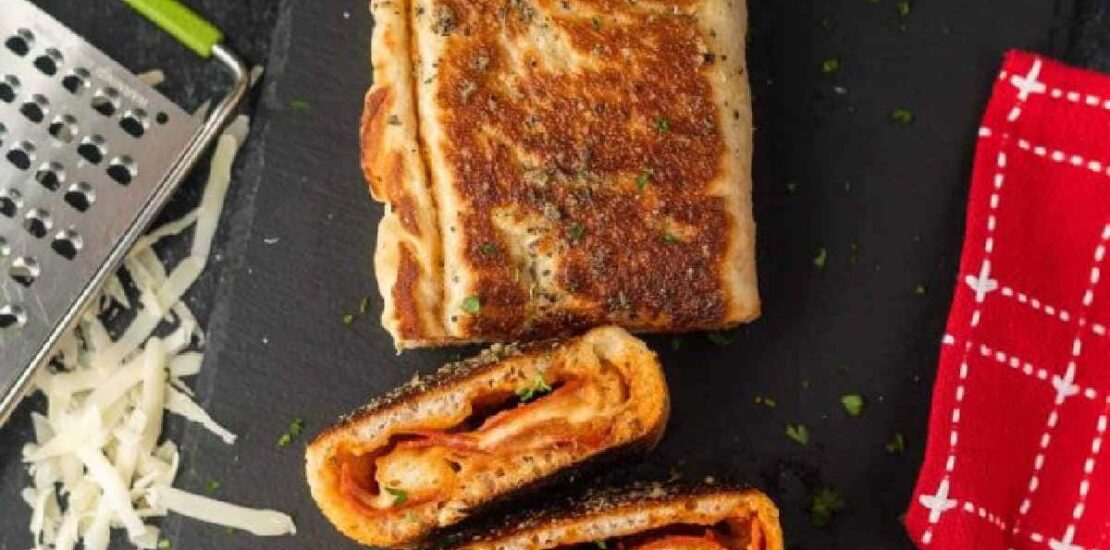
The Stromboli, a quintessential Italian-American creation, holds a special place in the hearts of those who appreciate a hearty, flavor-packed turnover. Traditionally baked in a hot oven until its crust is golden and its cheesy interior is bubbling, the Stromboli finds an extraordinary new life on the flat-top griddle. Cooking a Stromboli on a Blackstone introduces an unparalleled depth of flavor and texture, transforming the familiar into the phenomenal. The direct, consistent heat of the griddle works wonders, creating an impossibly crispy, deeply caramelized crust that encapsulates a molten core of savory meats and gooey cheeses. This method not only offers a unique textural experience—a crispiness beyond what a conventional oven can provide—but also makes for an exciting outdoor cooking adventure. Perfect for a casual family dinner, a lively gathering with friends, or a memorable game day feast, the Blackstone Stromboli is a testament to culinary innovation, turning simple ingredients into a handheld masterpiece that will leave a lasting impression and demand repeat performances.
Ingredients
The success of a Blackstone Stromboli hinges on both the quality of its components and a strategic selection of fillings. While the core is classic, variations abound to suit every palate.
-
For the Dough (The Foundation):
-
Store-Bought Pizza Dough (approx. 1 lb for 2 Strombolis): For convenience and excellent results, a high-quality fresh pizza dough from your local grocery store’s deli or bakery section is highly recommended. It’s usually sold in a ball or cylinder. Allow it to come to room temperature for at least 30-60 minutes before rolling for easier handling.
-
Alternatively, for a truly homemade experience (and more control over texture):
-
3 cups (about 360g) All-Purpose Flour, plus extra for dusting
-
1 packet (2 ¼ teaspoons or 7g) Active Dry Yeast
-
1 teaspoon Granulated Sugar (feeds the yeast)
-
1 teaspoon Fine Sea Salt
-
1 tablespoon Olive Oil (extra virgin or light)
-
1 cup (240ml) Warm Water (about 105-115°F / 40-46°C – warm to the touch but not hot)
-
-
-
For the Fillings (The Heart of the Stromboli):
-
Provolone Cheese (1/2 lb / approx. 8-10 slices): Thinly sliced provolone is crucial for its distinct flavor and excellent melting qualities. It forms a protective layer against soggy dough.
-
Shredded Low-Moisture Part-Skim Mozzarella (1 cup / 4 oz): Adds that quintessential gooey, stretchy cheese pull. Low-moisture is preferred to prevent excess water from making the dough soggy.
-
Grated Parmesan Cheese (1/4 cup): Adds a sharp, salty, umami kick.
-
Cooked Ham (1/2 lb / approx. 8-10 slices): Thinly sliced deli ham (Black Forest, honey, or smoked) provides a savory base.
-
Pepperoni (1/2 lb / approx. 50-60 slices): Thinly sliced pepperoni delivers a classic spicy, savory flavor and lovely grease that renders into the Stromboli.
-
Optional Sautéed Vegetables (1/2 cup total):
-
1/2 medium Green Bell Pepper, thinly sliced or finely diced
-
1/2 medium Yellow Onion, thinly sliced or finely diced
-
Sauté these in a little olive oil until softened and slightly caramelized, then cool completely before adding.
-
-
Dried Seasonings:
-
1 teaspoon Dried Oregano
-
1/2 teaspoon Garlic Powder
-
1/4 teaspoon Black Pepper
-
Pinch of Red Pepper Flakes (optional, for a subtle heat)
-
-
-
For the Egg Wash (The Golden Seal):
-
1 Large Egg
-
1 tablespoon Water
-
Whisked together, this creates a beautiful golden sheen and helps seal the dough.
-
-
For the Griddle & Cooking:
-
2-3 tablespoons Olive Oil or high smoke point cooking oil (e.g., avocado, canola)
-
-
For Serving (The Perfect Accompaniment):
-
Marinara Sauce, warmed (store-bought or homemade)
-
Extra Grated Parmesan Cheese (for garnish)
-
Fresh Basil or Parsley, chopped (optional garnish)
-
How To Make Blackstone Stromboli
Crafting a Blackstone Stromboli is a systematic process that transforms simple ingredients into a griddle-fired masterpiece. Precision in layering and sealing is key for success.
-
Prepare the Dough (Allowing for Proofing if Homemade):
-
Store-Bought Dough: Remove the pizza dough from its packaging and place it on a lightly floured surface. Cover it loosely with plastic wrap or a clean kitchen towel and let it rest at room temperature for at least 30-60 minutes. This makes it more pliable and easier to roll.
-
Homemade Dough:
-
In a large mixing bowl, combine the warm water, granulated sugar, and active dry yeast. Stir gently and let it sit for 5-10 minutes until the mixture becomes foamy (this indicates the yeast is active).
-
Add the olive oil, salt, and gradually add the flour, stirring with a wooden spoon or spatula until a shaggy, cohesive dough forms.
-
Transfer the dough to a lightly floured surface and knead for 5-7 minutes. It should become smooth, elastic, and spring back when lightly poked.
-
Lightly oil the same mixing bowl. Place the dough in the bowl, turning once to coat. Cover the bowl tightly with plastic wrap or a clean kitchen towel.
-
Let the dough rise in a warm, draft-free place for 1 to 1.5 hours, or until it has doubled in size.
-
Once risen, gently punch down the dough to release the air. Divide the dough into two equal portions.
-
-
-
Prepare All Fillings:
-
If using optional sautéed vegetables (bell peppers, onions), slice them thinly and sauté them in a small amount of olive oil on your stovetop until they are tender and slightly softened. Transfer them to a plate and allow them to cool completely. This step is important to prevent steam build-up and soggy dough inside the Stromboli.
-
Have all your cheeses, meats, and seasonings ready and within easy reach.
-
-
Preheat the Blackstone Griddle (and Oven if Using for Warming):
-
Turn on your Blackstone griddle and preheat it to medium-low to medium heat. The goal is a steady heat that will crisp the dough without burning it before the inside cooks. Aim for a surface temperature of around 350-375°F (175-190°C).
-
If you plan to keep finished Strombolis warm while cooking the second, preheat your oven to its lowest setting (e.g., 200°F / 95°C).
-
-
Roll Out the Dough:
-
Lightly flour a large clean countertop or a spacious cutting board.
-
Take one portion of dough. Using a rolling pin, roll it out into a large, rectangular shape, approximately 10×14 inches. Aim for an even thickness of about 1/4 inch. The more uniform the thickness, the more evenly it will cook.
-
Tip: If the dough springs back too much, let it rest for 5-10 minutes, covered, before continuing to roll.
-
-
Assemble the Stromboli:
-
Lay the rolled-out dough rectangle on your floured surface.
-
Leave a clear 1-inch border around all the edges of the dough. This border will be used for sealing.
-
Layer 1 (Provolone Barrier): Evenly arrange half of the sliced provolone cheese over the central filling area. This layer acts as a barrier, helping to prevent the dough from becoming soggy from the other fillings.
-
Layer 2 (Meats): Distribute half of the thinly sliced ham evenly over the provolone. Follow with half of the pepperoni slices.
-
Layer 3 (More Cheese): Sprinkle half of the shredded mozzarella and half of the grated Parmesan cheese over the meats.
-
Layer 4 (Optional Veggies & Seasonings): If using, scatter half of the cooled, sautéed bell peppers and onions over the cheese. Finish by sprinkling half of the dried oregano, garlic powder, and red pepper flakes (if desired) evenly over the fillings.
-
Egg Wash the Border: In a small bowl, whisk the egg and water to create the egg wash. Use a pastry brush to lightly brush the entire 1-inch clear border of the dough with this egg wash. This will act as the “glue” to seal the Stromboli.
-
-
Roll and Seal the Stromboli:
-
Carefully, starting from one of the longer edges, begin to tightly roll the dough over the fillings, moving towards the opposite long edge. Roll it up like you would a jelly roll or a sleeping bag, keeping it as compact as possible.
-
Once you’ve reached the end, firmly pinch the long seam together to seal it completely. Ensure there are no gaps.
-
Next, fold in the short ends of the Stromboli, tucking them inwards towards the center. Pinch these ends very securely to prevent any fillings from escaping during cooking. You should now have a neatly sealed, log-shaped Stromboli.
-
Gently transfer the assembled Stromboli to a clean, lightly floured plate or a piece of parchment paper.
-
Repeat the entire rolling, assembling, and sealing process for the second portion of dough.
-
-
Pre-Cook Prep (Optional):
-
For extra crispiness and to help prevent the top from puffing too much, you can cut a few small slits (vent holes) on the top of each Stromboli with a sharp knife. This allows steam to escape.
-
-
Griddle the Strombolis:
-
Add 1-2 tablespoons of olive oil (or chosen cooking oil) to the preheated Blackstone griddle. Spread it evenly over the cooking surface.
-
Carefully place one assembled Stromboli onto the hot, oiled griddle seam-side down first. This helps to further seal the seam.
-
Cook for approximately 8-12 minutes on the first side. Look for a deep golden-brown color and a satisfying crispness. The exact time will depend on your griddle’s heat and the thickness of your Stromboli.
-
Using two spatulas (for better support and to prevent tearing), carefully flip the Stromboli to its second side.
-
Cook for another 7-10 minutes on the second side until it’s also deeply golden brown and crispy.
-
You may also want to briefly cook the shorter ends by carefully rolling the Stromboli on its sides for 2-3 minutes per end to ensure even cooking and browning all around.
-
Check for Doneness: The Stromboli is cooked when both sides are golden brown and crispy, and the cheese inside is fully melted and bubbling (you might see some oozing from the vents). For absolute certainty, an instant-read thermometer inserted into the thickest part (avoiding fillings) should read around 190-200°F (88-93°C) for fully cooked dough.
-
-
Rest and Serve:
-
Once cooked, carefully transfer the Stromboli to a wire cooling rack. Let it rest for 5-10 minutes. This resting period is crucial; it allows the internal steam to redistribute, the cheese to set slightly, and makes for cleaner slices.
-
After resting, slice the Stromboli into thick, individual portions (e.g., 1-inch slices) using a sharp, serrated knife.
-
Serve immediately with warm marinara sauce for dipping. Garnish with extra grated Parmesan and fresh basil/parsley if desired.
-
You Must Know: Mastering the Blackstone Stromboli
Achieving Stromboli perfection on the griddle involves understanding the nuances of dough, heat, and filling.
-
Dough Hydration and Temperature:
-
Room Temperature Dough: This is non-negotiable for easy rolling. Cold dough is stiff, elastic, and will constantly shrink back. Allow ample time for store-bought dough to come to room temp.
-
Working with Dough: If the dough is sticky, use a light dusting of flour. If it’s tearing, it might be overworked or not rested enough.
-
-
The Crucial Griddle Temperature:
-
Medium-Low to Medium Heat (350-375°F): This is the sweet spot. Too high, and the outside will burn before the thick dough and cold fillings cook through. Too low, and you’ll get a pale, soggy crust without that desired crispness. You want a consistent, gentle sizzle from the oil.
-
Utilize Heat Zones: If your Blackstone has multiple burners, you can set one slightly lower for the initial cook and another slightly higher to finish if you need a final crisp.
-
-
Even Thickness is Key: When rolling the dough, strive for a uniform 1/4-inch thickness. Thicker spots will be doughy, thinner spots might burn or tear.
-
Layering Strategy:
-
Provolone First: Laying provolone directly on the dough acts as a fat barrier, preventing the dough from absorbing moisture from the meats and vegetables, which can lead to a soggy bottom.
-
Cool Fillings: Ensure any cooked fillings (like sautéed onions/peppers) are completely cooled. Hot fillings will create steam, leading to internal sogginess.
-
-
The Art of the Seal: A well-sealed Stromboli is a happy Stromboli. Pinch the seams and ends firmly. The egg wash helps create a strong bond. Leaky Strombolis lose cheese and become messy.
-
Vent Holes: Small slits on top are essential for allowing steam to escape. Without them, the Stromboli can puff up unevenly and potentially burst at the seams.
-
Don’t Overfill: While tempting, overfilling can make rolling difficult, lead to bursting seams, and result in an uncooked interior. Stick to the recommended amounts.
-
Patience with Flipping: Strombolis are large and can be delicate when hot. Use two spatulas to support the entire length of the Stromboli when flipping to prevent it from breaking apart.
-
The Rest Period: This is critical! Just like with meats, resting allows the internal temperature to equalize, the cheese to firm up slightly (preventing it all from gushing out), and the crust to become even crisper. Don’t skip it!
-
Marinara is a Must: Stromboli is incomplete without a warm, flavorful marinara sauce for dipping. It provides acidity and moisture that perfectly balances the rich, savory filling.
Topping Variations
While the classic Stromboli is fantastic, its versatility allows for endless creative filling and topping variations.
-
Meat Lover’s Delight:
-
Sausage: Cooked and crumbled Italian sausage (sweet or spicy).
-
Meatballs: Thinly sliced mini meatballs.
-
Pepperoni & Salami: A mix of different cured Italian meats for complex flavor.
-
Chicken: Shredded cooked chicken with a touch of pesto or BBQ sauce for a fusion Stromboli.
-
-
Vegetarian Wonders:
-
Spinach & Ricotta: Sautéed spinach (ensure all water is squeezed out!) mixed with ricotta, garlic, and Parmesan.
-
Roasted Vegetables: Roasted bell peppers, zucchini, mushrooms, and onions.
-
Pesto & Sun-Dried Tomatoes: A vibrant, savory option.
-
Artichoke Hearts & Olives: Chopped and mixed with some mozzarella.
-
-
Cheese Combinations:
-
Ricotta: A thin layer of seasoned ricotta (with egg, Parmesan, parsley) for a creamier texture.
-
Smoked Provolone: For an extra smoky depth.
-
Fontina or Gouda: For different melting qualities and nutty flavors.
-
-
Sauce Inside (Use Sparingly!):
-
A very thin layer of pizza sauce inside the Stromboli can be added, but be careful not to make it too wet, which can lead to soggy dough. Marinara is generally best for dipping.
-
-
External Glazes/Finishes:
-
Garlic Butter: After cooking, brush the hot Stromboli with melted garlic butter for an extra savory kick.
-
Parmesan & Herb Sprinkle: Before cooking, after the egg wash, sprinkle with extra grated Parmesan and Italian herbs.
-
Sesame Seeds: A sprinkle of sesame seeds on the egg-washed crust adds a subtle nutty flavor and visual appeal.
-
Make It A Meal: Pairing Your Blackstone Stromboli
A Blackstone Stromboli is a hearty meal in itself, but it pairs beautifully with simple sides that complement its rich flavors without overwhelming them.
-
Classic Italian Pairings:
-
Warm Marinara Sauce: Absolutely essential for dipping. Have plenty on hand!
-
Simple Green Salad: A light, crisp mixed green salad with a bright vinaigrette (like a lemon-herb or balsamic) provides a refreshing counterpoint to the rich Stromboli.
-
Antipasto Skewers: Olives, cherry tomatoes, mozzarella balls, and cubes of salami on skewers.
-
Garlic Knots or Breadsticks: For extra carb-loving goodness, especially good for soaking up any extra marinara.
-
-
Casual & Griddle-Friendly Sides:
-
Sautéed Zucchini & Yellow Squash: Quickly cook these on the griddle after the Strombolis, seasoned with Italian herbs.
-
Grilled Asparagus: Fresh asparagus stalks tossed with olive oil, salt, and pepper, griddled until tender-crisp.
-
Potato Salad or Coleslaw: For a picnic-style meal, a creamy potato salad or tangy coleslaw works well.
-
-
Beverage Pairings:
-
Red Wine: A medium-bodied Italian red like Chianti or Montepulciano d’Abruzzo.
-
Beer: A crisp lager or a pale ale.
-
Iced Tea or Lemonade: For a refreshing non-alcoholic option.
-
Pro Tips for Blackstone Stromboli Perfection
Elevate your griddle Stromboli game with these expert strategies and techniques.
-
Pre-Bake Your Dough (Advanced Technique): For absolute crust security and an even crispier bottom, some chefs partially bake their pizza dough in an oven before filling. For the griddle, this means getting it rolled out, then cooking it on the griddle plain for 2-3 minutes per side until barely set, then filling and cooking. This adds complexity but can guarantee a very firm base. However, for a single-pass griddle cook, rely on careful heat management.
-
Utilize a Cooling Rack: Always transfer your cooked Stromboli to a wire cooling rack after removing it from the griddle. This prevents the bottom from getting soggy as it cools, maintaining that precious crispness.
-
Don’t Over-Flour: While you need flour for rolling, too much dry flour on the dough’s surface can prevent the egg wash from sticking or create dry spots on the cooked crust. Use flour sparingly and brush off excess before sealing.
-
Practice Rolling: Rolling a perfectly even rectangle takes practice. Don’t be discouraged if your first attempts are a bit wonky; the Stromboli will still taste amazing!
-
Flavor Boost with Herb Oil: Instead of plain olive oil for the griddle, infuse it! Gently warm olive oil with crushed garlic and dried herbs (oregano, basil) for a few minutes on the stovetop before adding to the griddle for cooking.
-
The Griddle Press Advantage: While not essential, a griddle press (lightly oiled) can be gently placed on top of the Stromboli for the first few minutes of cooking. This ensures maximum contact with the hot griddle, promoting an even sear and faster cooking. Just don’t press too hard and squeeze out the fillings.
-
Preventing Dough Sag: If your Strombolis seem to be sagging or deflating during the cook, it might be due to too much moisture from the fillings or insufficient heat to set the crust. Ensure all fillings are cooled and dry, and check your griddle temperature.
-
Experiment with Cheese Blend: Don’t limit yourself to provolone and mozzarella. A mix of smoked provolone, fontina, or even a little sharp white cheddar can add fascinating layers of flavor.
-
“Cheesesteak” Stromboli: Sauté thinly sliced steak (like ribeye or sirloin) with onions and peppers, then fill with provolone and mozzarella for a delicious take on a cheesesteak sandwich.
-
Breakfast Stromboli: Fill with scrambled eggs, cooked bacon/sausage, and cheddar cheese for a unique breakfast or brunch item!
Recipe FAQs
Q: Can I use store-bought pizza sauce inside the Stromboli?
A: It’s generally recommended to not put much sauce inside the Stromboli, as it can make the dough soggy and lead to a less crispy result. Stromboli is traditionally served with sauce on the side for dipping. If you must add some, use a very thin layer, perhaps just a tablespoon or two per Stromboli.
Q: My Stromboli crust is burnt on the outside but the dough inside is raw. What happened?
A: Your griddle heat was too high. The outside cooked too quickly. Reduce your griddle temperature to medium-low to medium (350-375°F) and cook it for longer, allowing the heat to penetrate and cook the dough through evenly.
Q: How do I know when the Stromboli is fully cooked inside?
A: Visually, a deep golden-brown, crispy crust all around is a good indicator. You might also see cheese bubbling out of the vent holes. For absolute certainty, an instant-read thermometer inserted into the thickest part (avoiding large pockets of cheese or meat) should read between 190-200°F (88-93°C) for fully cooked dough.
Q: Can I freeze Stromboli?
A: Yes! You can freeze Stromboli either before or after cooking.
* Uncooked: Assemble and seal, then wrap tightly in plastic wrap and then foil. Freeze for up to 1 month. Thaw in the refrigerator overnight before cooking as directed.
* Cooked: Let cool completely, then wrap tightly in plastic wrap and foil. Freeze for up to 1 month. Reheat in a preheated oven (375°F/190°C) for 20-30 minutes, or until heated through and crispy.
Q: What if my dough tears while rolling or assembling?
A: Don’t panic! For small tears, simply pinch the dough back together. For larger tears, you can try to patch it with a small piece of excess dough, pressing firmly to seal.
Q: Can I use different cheeses?
A: Absolutely! While provolone and mozzarella are classic, feel free to experiment with other good melting cheeses like fontina, smoked gouda, Monterey Jack, or even a sharp white cheddar. The key is to use cheeses that melt well.
Q: My Stromboli keeps unrolling on the griddle. What’s wrong?
A: This usually means the seam wasn’t pinched securely enough, or you didn’t roll it tightly enough. Ensure you firmly pinch the entire seam and the ends shut before placing it on the griddle. The egg wash on the edges is crucial for sealing.
Q: How do I get that perfectly even golden-brown crust?
A: Even heat distribution on your griddle, adequate oil, and patient cooking at the correct temperature are key. Ensure the Stromboli is flipped carefully to expose all sides to the heat. Resting it seam-side down first often helps set that critical seam.
Q: Is there a difference between Stromboli and Calzone?
A: Yes, traditionally. A Stromboli is typically rolled like a log, often without sauce inside (sauce on the side for dipping), and cut into slices. A calzone is folded over like a half-moon, usually contains ricotta cheese and sauce inside, and is served as an individual whole portion. The griddle technique applies well to both, but this recipe is for the rolled Stromboli style.