
Stir-frying is a quick and healthy way to get dinner on the table, and the key to a successful stir-fry lies in a flavorful sauce. A good stir-fry sauce can transform simple ingredients into a delectable meal, balancing sweet, savory, tangy, and sometimes spicy notes. This comprehensive guide will walk you through everything you need to know to create the perfect stir-fry sauce, from understanding essential ingredients to mastering the art of balancing flavors and even turning your stir-fry into a complete meal.
Ingredients
The foundation of any great stir-fry sauce consists of a few core ingredients. While variations abound, these are the staples you’ll want to have on hand:
-
Soy Sauce: The backbone of most Asian sauces, soy sauce provides a deep, umami-rich, and salty flavor.
-
Light Soy Sauce: This is the most common type, used for seasoning and adding a savory base.
-
Dark Soy Sauce: Thicker and darker than light soy sauce, it adds color and a slightly sweeter, less salty flavor. Use it sparingly for depth and a beautiful glaze.
-
Low-Sodium Soy Sauce: A good option if you’re watching your sodium intake.
-
-
Sesame Oil: Toasted sesame oil is a finishing oil, adding a distinctive nutty aroma and flavor. A little goes a long way.
-
Rice Vinegar: Adds a touch of acidity and tang, brightening the sauce and cutting through richness.
-
Sugar (or Sweetener): Balances the salty and savory notes. Granulated sugar, brown sugar, honey, or maple syrup can be used. Brown sugar adds a lovely caramel note.
-
Garlic: Fresh minced garlic is essential for its pungent aroma and flavor.
-
Ginger: Fresh grated or minced ginger adds a warm, spicy, and aromatic kick.
-
Cornstarch (or other thickener): This is crucial for thickening the sauce, giving it a glossy texture that clings to your ingredients.
-
Water or Broth: Used to dilute the sauce and create the right consistency. Chicken, vegetable, or even mushroom broth can add extra layers of flavor.
Optional Ingredients for Enhanced Flavor:
-
Oyster Sauce: A rich, savory, and slightly sweet sauce that adds incredible depth and umami. Highly recommended for a more authentic flavor.
-
Hoisin Sauce: Sweet and savory, with hints of garlic, vinegar, and five-spice powder. Great for a thicker, richer sauce.
-
Chili Garlic Sauce or Sriracha: For those who like a spicy kick. Adjust to your heat preference.
-
White Pepper: Offers a different kind of subtle heat compared to black pepper, often used in Chinese cuisine.
-
Shaoxing Wine (Chinese Cooking Wine): Adds a complex, slightly nutty, and aromatic flavor. If unavailable, dry sherry can be a substitute, but use sparingly.
-
Fish Sauce: A small dash can add a surprising depth of umami, especially in Southeast Asian-inspired stir-fries.
How to Make Your Perfect Stir-Fry Sauce
Creating a stir-fry sauce is incredibly simple. The key is to whisk all the ingredients together before you start stir-frying. This ensures a smooth, lump-free sauce and allows you to add it quickly when the time comes.
Basic Stir-Fry Sauce Recipe (Yields about 1 cup – enough for 1 lb of protein and 4 cups of vegetables)
-
1/2 cup low-sodium soy sauce
-
2 tablespoons rice vinegar
-
2 tablespoons brown sugar (or honey/maple syrup)
-
1 tablespoon sesame oil
-
1 tablespoon cornstarch
-
1/2 cup water or chicken/vegetable broth
-
2 cloves garlic, minced
-
1 tablespoon fresh ginger, grated
Instructions:
-
Combine Wet Ingredients (except cornstarch slurry): In a medium bowl, whisk together the soy sauce, rice vinegar, brown sugar, sesame oil, minced garlic, and grated ginger until the sugar is dissolved.
-
Create Cornstarch Slurry: In a separate small bowl, whisk together the cornstarch with 2 tablespoons of the water/broth until a smooth slurry forms. This prevents lumps.
-
Combine All Ingredients: Add the cornstarch slurry to the wet ingredients and whisk until thoroughly combined.
-
Taste and Adjust: This is the most crucial step! Taste a small spoonful of your sauce. Does it need more salt? More sweetness? More tang? Adjust accordingly.
-
Too salty? Add more water, broth, or a touch more sugar.
-
Too sweet? Add more rice vinegar or a tiny splash more soy sauce.
-
Not tangy enough? Add more rice vinegar.
-
Lacking depth? Consider a dash of oyster sauce or a splash of Shaoxing wine if you have it.
-
Want heat? Stir in some chili garlic sauce or sriracha.
-
You Must Know: The Science and Art of Stir-Fry Sauce
Understanding a few fundamental principles will elevate your stir-fry sauce from good to extraordinary.
-
Balance is Key: A great stir-fry sauce hits all the right notes: salty, sweet, sour, and umami. Too much of one flavor can overwhelm the dish.
-
The Role of Cornstarch: Cornstarch molecules swell when heated, trapping liquid and thickening the sauce. Adding it as a slurry (mixed with cold liquid) prevents it from clumping when it hits the hot wok.
-
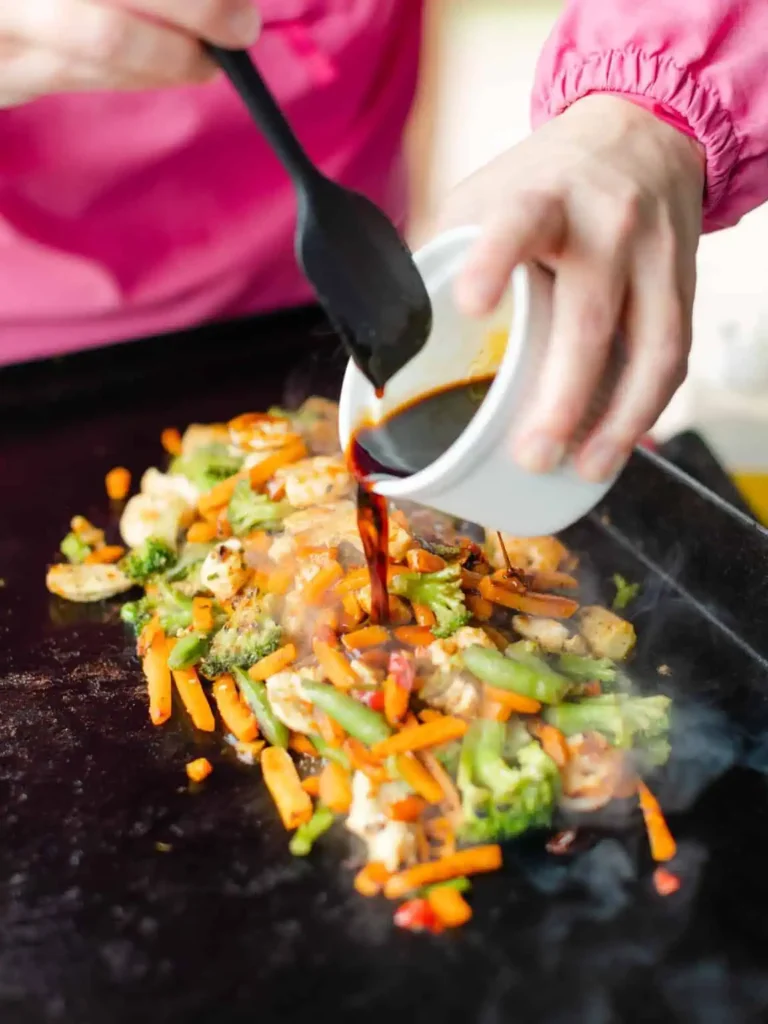
Add at the End: Stir-fry sauce is typically added towards the very end of the cooking process, after your proteins and vegetables are cooked. This prevents the sauce from burning and ensures it thickens beautifully, coating all your ingredients.
-
Don’t Overthicken: A perfect stir-fry sauce should be glossy and thick enough to cling to your ingredients, but not gloopy or pasty. If it’s too thick, add a little more water or broth, a tablespoon at a time, until it reaches the desired consistency.
-
The Power of Fresh Ingredients: Fresh garlic and ginger make an enormous difference. While dried versions can be used in a pinch, they won’t provide the same vibrant flavor.
-
Experimentation is Encouraged: Once you understand the basic framework, don’t be afraid to experiment with different ratios and additional ingredients to find your signature stir-fry sauce.
Topping Variations
While the sauce is the star, toppings add texture, flavor, and visual appeal to your finished stir-fry.
-
Toasted Sesame Seeds: A classic for a reason, they add a nutty crunch.
-
Chopped Green Onions/Scallions: Provide a fresh, oniony bite and bright color.
-
Fresh Cilantro: Adds a herbaceous, refreshing note (if you’re a fan!).
-
Crushed Peanuts or Cashews: For extra crunch and a savory, nutty flavor.
-
Chili Flakes or Extra Sriracha: For those who crave more heat.
-
Fried Shallots or Garlic: Adds an intensely savory, crispy element.
-
Lime Wedges: A squeeze of fresh lime juice at the end can brighten the entire dish.
Make It A Meal: Pairing Your Stir-Fry Sauce
Your homemade stir-fry sauce is versatile enough to transform a variety of ingredients into a satisfying meal.
-
Protein Options:
-
Chicken: Thighs or breast, cut into bite-sized pieces. Marinating chicken in a little soy sauce and cornstarch before cooking can make it incredibly tender.
-
Beef: Flank steak, sirloin, or tenderloin, thinly sliced against the grain.
-
Pork: Pork loin or tenderloin, thinly sliced.
-
Shrimp: Quick-cooking and delicious, especially when added towards the end.
-
Tofu/Tempeh: A fantastic plant-based option. Press tofu to remove excess water before stir-frying for best results.
-
Edamame: Can be added directly to the stir-fry.
-
-
Vegetable Medley:
-
Cruciferous Vegetables: Broccoli, cauliflower, bok choy, napa cabbage, Brussels sprouts.
-
Root Vegetables: Carrots, bell peppers, onions, snow peas, sugar snap peas.
-
Leafy Greens: Spinach, kale (add towards the very end as they wilt quickly).
-
Mushrooms: Shiitake, cremini, button mushrooms add an earthy umami.
-
Bamboo Shoots & Water Chestnuts: For classic stir-fry crunch and texture.
-
Baby Corn: Sweet and tender.
-
-
Serving Suggestions:
-
Rice: Steamed white rice, brown rice, jasmine rice, or basmati rice are perfect for soaking up the delicious sauce.
-
Noodles: Lo mein noodles, ramen noodles (without the seasoning packet), rice noodles, or even spaghetti can be tossed with your stir-fry.
-
Quinoa or Other Grains: A healthier alternative to rice.
-
Lettuce Wraps: Serve your stir-fry mixture in crisp lettuce cups for a lighter, refreshing meal.
-
Pro Tips for Stir-Frying Success
Creating a delicious stir-fry isn’t just about the sauce; it’s also about the technique.
-
Mise en Place: Have all your ingredients prepped, chopped, and ready before you turn on the heat. Stir-frying is fast!
-
Hot Wok, Less Oil: A screaming hot wok (or large, heavy-bottomed skillet) is essential for achieving that signature “wok hei” (breath of the wok) flavor and preventing steaming. Use a high smoke point oil like peanut, grapeseed, or canola oil.
-
Don’t Overcrowd the Pan: Cook in batches if necessary. Overcrowding lowers the temperature of the pan, causing ingredients to steam rather than sear, resulting in soggy vegetables.
-
Cook in Order of Doneness: Start with proteins (cook until almost done, then remove), then harder vegetables (carrots, broccoli), then softer vegetables (bell peppers, snow peas), and finally, aromatics (garlic, ginger) right before adding the sauce.
-
Sear Proteins: Get a nice sear on your chicken, beef, or tofu. This adds flavor and texture.
-
Add Sauce Last: As mentioned, the sauce goes in at the very end. Let it bubble and thicken for a minute or two until it coats everything.
-
Taste, Taste, Taste: Always taste your stir-fry as you go, and especially before serving. Adjust seasonings if needed.
Recipe FAQs
Q: Can I make the stir-fry sauce ahead of time?
A: Absolutely! In fact, it’s highly recommended. You can whisk together all the sauce ingredients and store it in an airtight container in the refrigerator for up to a week. Give it a good shake or whisk before using, as the cornstarch may settle.
Q: What if my sauce is too thin or too thick?
A:
-
Too thin: If your stir-fry sauce isn’t thickening enough, you can make a quick slurry of 1 teaspoon cornstarch mixed with 1 tablespoon cold water. Whisk it into the simmering sauce a little at a time until it reaches your desired consistency.
-
Too thick: If your sauce becomes too thick, simply add a tablespoon of water or broth at a time, stirring constantly, until it thins out to the right consistency.
Q: Can I use different sweeteners?
A: Yes! While brown sugar provides a lovely caramel note, you can certainly use granulated sugar, honey, maple syrup, or even agave nectar. Adjust the amount to your taste.
Q: Is Shaoxing wine essential?
A: While it adds a unique layer of complexity, your stir-fry will still be delicious without it. You can omit it or substitute with dry sherry (use less, as it’s stronger) or even a splash of chicken broth.
Q: How do I store leftover stir-fry?
A: Store any leftover stir-fry in an airtight container in the refrigerator for up to 3-4 days. Reheat gently in a microwave or on the stovetop.
Q: What kind of oil should I use for stir-frying?
A: Use an oil with a high smoke point, such as peanut oil, grapeseed oil, canola oil, or avocado oil. Avoid olive oil, as its smoke point is too low for high-heat stir-frying.
Q: Can I make a gluten-free stir-fry sauce?
A: Yes! Simply use tamari (gluten-free soy sauce) instead of regular soy sauce. Ensure all other ingredients (like oyster sauce or hoisin, if using) are also certified gluten-free.
Q: What are some vegetarian/vegan variations for the sauce?
A:
-
Oyster Sauce Substitute: Many brands offer “vegetarian oyster sauce” made from mushrooms, which is an excellent substitute.
-
Fish Sauce Substitute: A tiny dash of miso paste or a pinch of dried seaweed flakes can add an umami boost.
-
Broth: Use vegetable broth instead of chicken broth.
-
Ensure all other ingredients like hoisin sauce are vegan-friendly, as some contain honey.
Q: How do I prevent my vegetables from becoming soggy?
A:
-
High Heat: Cook at a high temperature.
-
Don’t Overcrowd: Cook in batches if necessary.
-
Quick Cooking: Stir-fry quickly, ensuring vegetables retain some crispness.
-
Cut Evenly: Cut vegetables into uniform sizes so they cook at the same rate.
Conclusion
Mastering the art of stir-fry sauce opens up a world of culinary possibilities. With a few staple ingredients and a solid understanding of balancing flavors, you can create a sauce that perfectly complements any protein and vegetable combination. Remember the key principles: mise en place, hot wok, and tasting as you go. Don’t be afraid to experiment and personalize your sauce to suit your palate. With this guide in hand, you’re well on your way to crafting delicious, restaurant-quality stir-fries in your own kitchen. Enjoy the process, and savor the incredible flavors you create!